I’ve been helping folks buy and sell homes here in Southern Utah since 2011. If there is one thing I’ve learned—besides the fact that you should never underestimate the power of a good shade tree—it’s that an HVAC system in St. George lives in "dog years." What might be considered a standard aging process for an AC unit in, say, Seattle or even Salt Lake City, is basically a death march for a unit sitting in the 105°F heat of a July afternoon in Washington County.
I hear it all the time from my buyers: "But the home inspection report said the HVAC system was functional!" Let me be the one to burst that bubble: A standard home inspection is a generalist’s game. They check if the air is blowing cold, but they aren't pulling panels to check for micro-corrosion on the condenser coils caused by our unique desert dust, and they definitely aren't checking the capacitor’s microfarad rating.
If you are closing on a property in St. George, you need a specialized pre purchase HVAC inspection. Not a "maybe," not a "we'll see," but a hard requirement. Here is why.
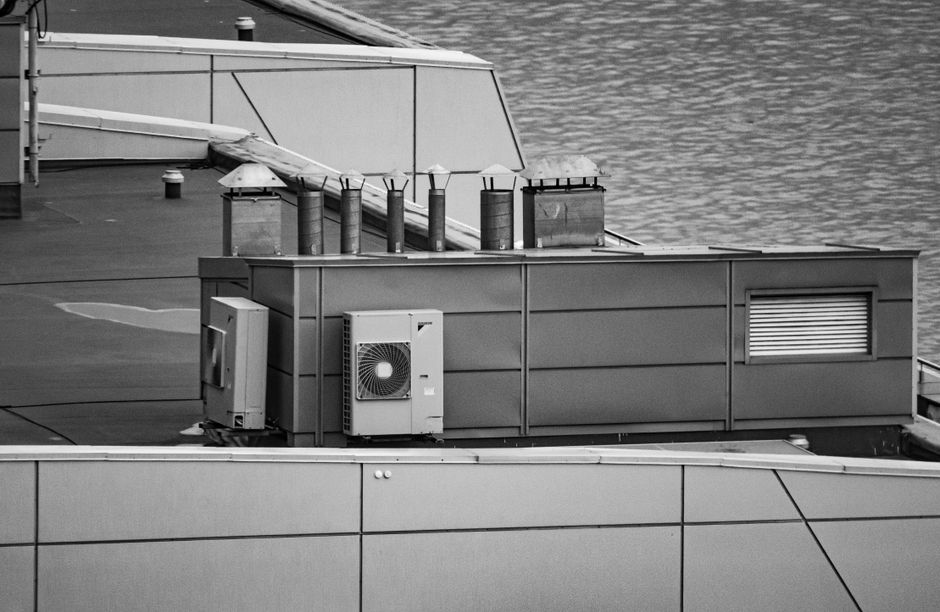
The Desert Reality: Why "Functional" Isn't Enough
Our desert climate is brutal on machinery. The constant expansion and contraction of metal due to extreme temperature swings, combined with the fine, abrasive sand that gets into every crevice, means that an AC unit here faces stressors that manufacturers in cooler climates never anticipated.

When I advise my clients on an AC inspection before closing, I’m looking for a few things that a standard inspector will miss:
- Refrigerant levels: A unit that is slightly low on Freon will still blow "cool" air, but it will work twice as hard to do it, leading to a premature compressor failure in the heat of August. The "Emergency" Factor: What happens when the unit fails at 2:00 AM on a Tuesday when it's still 92 degrees outside? Desert Wear-and-Tear: Condenser fins in the desert get clogged with dust much faster. If the previous owners weren't diligent about cleaning, the unit has likely been "overheating" for years, shortening its life expectancy by 30-40%.
Family-Owned vs. Big Box: Where Does Accountability Lie?
One of my biggest "nerd" quirks is that I keep a running list of who is family-owned versus who is a massive, multi-state chain. In my experience, when the heat hits that 105°F mark, the level of service you receive is almost always better with a locally operated, family-owned business.
Why? Because a local business owner’s reputation is on the line in this community. They aren't going to dodge questions about emergency response windows or hide behind a 1-800 number. They know that if they leave you sweltering in your new home for three days, you’re going to tell your neighbor, and your neighbor is going to tell their PTA group, and their business will tank.
Recommended Local Pros
Through my years of experience, I’ve vetted several companies that I trust to handle these inspections. They understand the urgency of our climate and don't give me the "vague pricing" runaround that I absolutely loathe.
- Element Plumbing, Heating & Air: I’ve found them to be incredibly transparent about their process. They don’t just look at the unit; they explain the wear patterns they see. Dash Heating, Air, Plumbing & Electric: They have a great reputation for handling the transition of new homeownership with clarity, especially when it comes to assessing the current state of a system you didn't install yourself. Davis Air Tec: A solid family-owned operation that understands what it means to be a local. They treat their customers like neighbors, not just ticket numbers.
The "Emergency" Conversation You Need to Have
When you hire a pro to do your St. George home inspection HVAC assessment, you need to ask one specific question before you ever sign the check: "What is your after-hours policy for new customers, and what is your average response window during a heatwave?"
If they hem and haw, or if they tell you "we'll get to you when we can," walk away. During the peak of summer, these companies are flooded with calls. You want to be with a company that has a defined, documented protocol for emergencies. I have zero patience for contractors who overpromise on timelines during July. If they say they can get to you in four hours during a heatwave, make sure they actually have the bandwidth to back that up.
Comparison of Local HVAC Service Providers
Company Family-Owned Emergency Response Focus My "Nerd" Rating Element Plumbing, Heating & Air Yes Strong/Proactive Highly Recommended Dash Heating, Air, Plumbing & Electric Yes High Availability Solid Choice Davis Air Tec Yes Localized Support Accountability FocusedWhat the Inspection Should Include
To ensure you’re getting your money's worth, make sure your technician covers these bases. If they can’t provide a report covering these, you’re not getting a pre-purchase inspection; you’re getting a maintenance tune-up.
Static Pressure Test: This tells you if your ductwork is sized correctly for the system. If it's not, the motor will burn out prematurely. Amperage Draw on the Compressor: This shows if the electrical components are stressed. Coil Inspection: Look for the "desert dust" cake-on mentioned earlier. If the coils are impacted, your efficiency is tanking. Capacitor Check: This is a cheap part, but if it fails, the whole unit stops. Knowing its current health can save you from a $500 weekend service call a month after you move in.Final Thoughts
Closing on a home is stressful enough without worrying about whether your bedroom https://bestutahrealestate.com/news/st-george/resources/top-ac-companies-in-st-george-for-homebuyers will be 85 degrees on your first night in the house. A little bit of due diligence with a specialized HVAC inspector is the best insurance policy you can buy. Don't be afraid to ask the hard questions about their after-hours response and their history in the area.
For more deep dives into maintaining your home in our unique Southern Utah environment, make sure to check out the Home Maintenance category on the Best Utah Real Estate site. I keep it updated with everything I learn from the trenches of local homeownership.
Found this helpful? Share it with a friend who is currently looking for their dream home in St. George!
Share this article:
Twitter | Facebook | LinkedIn
Note: I’ve been analyzing homes in Southern Utah since 2011. If you're buying, don't let the heat catch you off guard. Always prioritize your HVAC inspection!